

‘We are facing the most catastrophic threat to the future of our planet that we have ever encountered.’
Over the course of my ten year Laureateship I want one of the headline projects to be a prize or award that recognises and encourages the resurgence of nature and environmental writing, currently taking place in poetry.
The new wave of nature writing in non-fiction has been well documented over recent years but not enough attention has been paid to a similar move in poetry, with climate crisis and environmental concerns clearly provoking this important strand of work.
I have established The Laurel Prize as an annual award for the best collection of nature or environmental poetry to highlight the climate crisis and raise awareness of the challenges and potential solutions at this critical point in our planet’s life.
In celebrating and rewarding this work, the Prize aims to encourage more of it, and to become part of the discourse and awareness about our current environmental predicament.
Building on the success of its inaugural year, the Laurel Prize will now become an international award for nature poetry written in English. This is also a way of recognising the global importance of environmentalism, and drawing together concerned voices from across the planet.
I will donate my annual Laureate Honorarium of £5,000 towards the prize money each year.
Simon Armitage, Poet Laureate.
The Laurel Prize
This year there are five prizes:
First Prize will win £5,000.
Four additional finalists will receive £1,000 each.
Our Judges
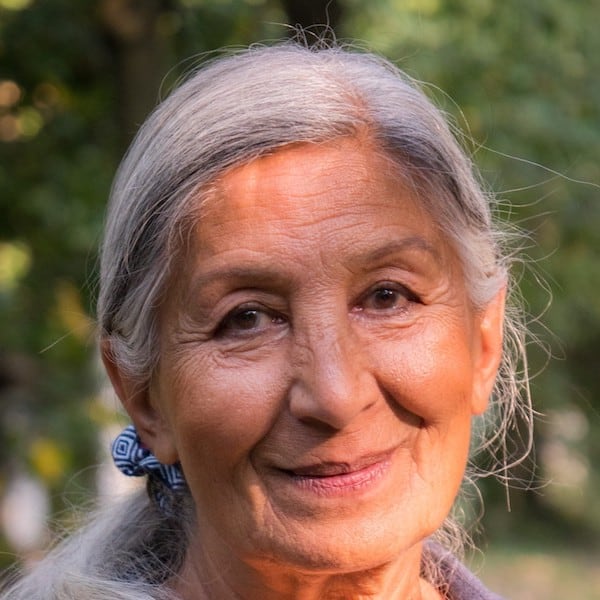
Mimi Khalvati has published ten collections with Carcanet Press, including The Meanest Flower, shortlisted for the TS Eliot Prize, and Child: New and Selected Poems 1991-2011, a Poetry Book Society Special Commendation. She is the founder of The Poetry School and a Fellow of the Royal Society of Literature. In 2023 she received the King’s Gold Medal for Poetry and in 2024 Carcanet Press published her Collected Poems, for which she was awarded the inaugural Jhalak Prize for Poetry 2025.
David Morley is the author of FURY, a Poetry Book Society Choice and Forward Prize finalist; and winner of the Ted Hughes Award for The Invisible Gift: Selected Poems. His other collections from Carcanet Press include Passion, The Magic of What’s There, The Gypsy and the Poet and The Invisible Kings, both Poetry Book Society Recommendations. Originally trained as a zoologist, he researched acid rain in the tarns of the Lake District, a deep engagement with the natural world that informs his poetry. He is a Professor of Creative Writing at the University of Warwick and a Fellow of the Royal Society of Literature.
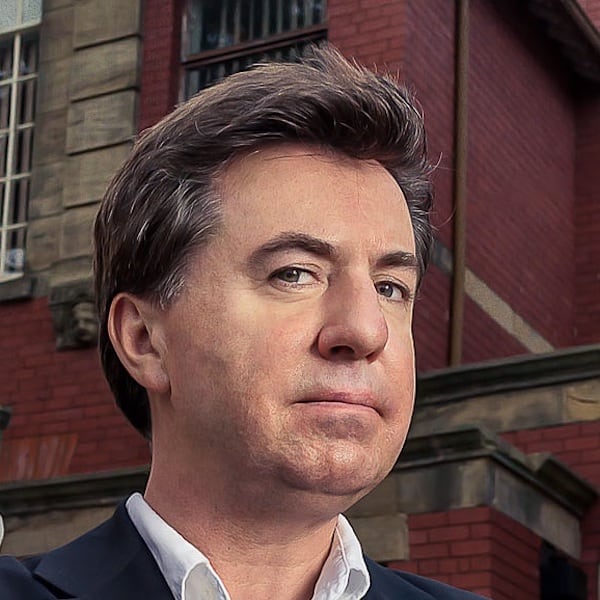

Bethan Laughlin is an environmental policy expert whose work sits at the meeting point of people, politics and the natural world. Over the past decade, her career has taken her from grassroots community organising, to providing policy advice in the halls of the UK Parliament to the negotiation tables of global UN climate and nature summits. As Senior Policy Specialist at international conservation charity ZSL (Zoological Society of London), Bethan specialises in translating scientific research and evidence into the urgent, practical policy solutions needed to repair our planet and create a world where nature and people can thrive.
As ZSL marks its 200th anniversary year, Bethan’s role as judge reflects a long tradition of creative engagement with the natural world, recognising the power of poetry to stir emotions, deepen connections with nature and help us imagine more hopeful futures for wildlife and people alike.
Our Partners

Poetry School is a registered charity and a proud member of Arts Council England’s National Portfolio Organisations.
The Prize is supported by the Poet Laureate’s Honorarium, a Founder Patron and lover of poetry and a variety of other individual donors and trusts and foundations. Without their generosity, the Prize would not be possible.
Logo designed by Clive Hicks-Jenkins